

Untreated trauma doesn't stay contained. It shows up in strained relationships, missed workdays, chronic pain, and a nervous system that stays braced for danger long after the danger has passed.
The scale of this is real. According to the National Institute of Mental Health, an estimated 3.6% of U.S. adults experienced PTSD in the past year, with 6.8% affected at some point in their lives. Many never connect with trauma-specific care.
This guide breaks down what a trauma therapist actually does, which credentials and treatment approaches matter, and how to choose someone who fits your specific situation.
Key Takeaways
- Trauma therapists include psychologists, LCSWs, LPCs, LMFTs, psychiatrists, and psychiatric NPs
- EMDR, CPT, and PE carry the strongest research support among PTSD treatments
- Trauma-specific training, insurance coverage, and personal fit matter as much as basic licensure
- Meadowbrook Counseling matches clients with trauma specialists, including EMDR-certified therapists, across seven states
What is a Trauma and PTSD Therapist?
A trauma and PTSD therapist is a licensed mental health provider trained to help clients process traumatic experiences and manage symptoms like flashbacks, hypervigilance, and avoidance. The word "therapist" covers several types of providers, each with a distinct scope of practice.
Types of Providers Who Treat PTSD
| Provider | What They Do | Can Prescribe? |
|---|---|---|
| Psychologist (PhD/PsyD) | Doctoral-level assessment and evidence-based psychotherapy | Rarely, only in a few states |
| LCSW, LPC, or LMFT | Master's-level individual, group, or family trauma counseling | No |
| Psychiatrist / Psychiatric NP | Diagnosis, medication management, sometimes therapy | Yes |
State licensing requirements and insurance panels vary by provider type. Verifying a provider's actual credentials before booking is worth the five extra minutes it takes.
Evidence-Based Approaches These Therapists Use
What separates a trauma-focused therapist from a general talk therapist is the toolkit. Trauma specialists lean on modalities with strong research backing, not just open-ended conversation.
- EMDR (Eye Movement Desensitization and Reprocessing): uses guided eye movements to help the brain reprocess stuck traumatic memories
- Cognitive Processing Therapy (CPT): restructures distorted, trauma-related beliefs, like self-blame, that keep symptoms alive
- Prolonged Exposure (PE): gradually reduces avoidance by helping clients safely revisit trauma-related memories and situations
- Somatic and body-based approaches: address how trauma gets stored in the nervous system, a concept trauma researcher Bessel van der Kolk explores in The Body Keeps the Score
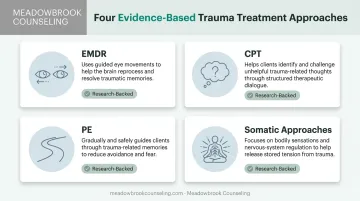
The American Psychological Association's treatment guidelines rank CPT and PE as first-line treatments for PTSD, with EMDR also carrying a strong recommendation from the VA and Department of Defense.
Benefits of Working with a Specialized Trauma and PTSD Therapist
General counseling can help with everyday stress, but trauma responds differently. Specialized trauma therapists bring skills most generalist providers simply don't have.
- Faster symptom relief through targeted, research-backed modalities instead of trial-and-error talk therapy
- Lower risk of retraumatization, since trauma-informed providers pace sessions to match each client's nervous system tolerance
- Better management of flashbacks and hypervigilance through techniques built specifically for trauma responses
- Improved relationships and daily functioning as symptoms that once felt constant start to ease
Trauma-informed therapists are also trained to recognize freeze, fight, and flight responses at the nervous-system level—patterns a general counselor might mistake for resistance. This training changes how sessions are structured, helping clients feel safe enough to engage in deeper processing work sooner.
What to Consider When Choosing the Best Trauma and PTSD Therapist
The right therapist depends on your trauma type, whether combat-related, childhood abuse, medical trauma, or an accident, along with symptom severity and your comfort with different therapy styles. The factors below connect a therapist's specialty to real recovery outcomes.
Licensure and Trauma-Specific Training
Confirming licensure (LCSW, LPC, PsyD, or similar) is step one. Step two is checking for trauma-specific certification, such as EMDR training through EMDRIA.
Becoming an EMDRIA Certified Therapist requires completing approved training, at least 50 EMDR sessions with 25 clients, and 20 hours of consultation, according to EMDRIA's certification requirements. That extra layer of training affects both treatment safety and how quickly symptoms improve.
Experience with Your Specific Type of Trauma
A therapist who regularly works with combat trauma, childhood abuse, or medical trauma will tailor sessions differently than one who doesn't. That experience speeds up rapport-building and keeps treatment relevant to your actual history, not a generic trauma template.
Evidence-Based Modality Offered
Ask directly whether a therapist practices EMDR, CPT, or PE, or relies mainly on general talk therapy. This single question can shape your symptom-reduction timeline, since these modalities follow measurable protocols rather than open-ended check-ins.
Insurance Coverage and Cost Transparency
Understand what a provider accepts and what you'll pay out of pocket before committing. Mid-treatment insurance surprises are a common reason people stop therapy early.
- Coverage details vary by plan, including copays, session limits, and network status
- Confirming benefits upfront protects treatment consistency
- Out-of-network costs can add up fast if left unchecked
Therapeutic Fit and Sense of Safety
Feeling safe, understood, and unjudged with your therapist is a clinical necessity that directly shapes treatment outcomes. Trauma disclosure requires trust, and that trust affects whether you stick with exposure-based work once it gets uncomfortable. It's completely normal to try a session or two before deciding if someone's right for you.
Accessibility and Scheduling Logistics
Location, telehealth availability, and appointment flexibility determine whether you can actually stay consistent with treatment. Since session frequency directly affects how fast trauma recovery progresses, a therapist who's a great match on paper but impossible to schedule with won't help much in practice.
How Meadowbrook Counseling Can Help
Finding the right trauma specialist shouldn't require guesswork or an endless directory scroll. Meadowbrook Counseling's intake team works to match each client with a therapist suited to their trauma type, symptom presentation, and treatment preferences, rather than handing over the first open slot.
That's different from a generic therapist directory, where you're left guessing based on a two-line bio.
- Certified EMDR practitioners on staff, including Rosario Toral, ACMHC, who specializes in trauma processing and resilience-building
- A dedicated intake team that considers trauma type and symptom history before matching you with a therapist
- Insurance benefits verified before your first session, so cost surprises don't interrupt treatment partway through
- Office and telehealth locations across Utah, Massachusetts, Florida, Texas, Idaho, Colorado, and Wisconsin

Therapists across the practice draw from EMDR, Prolonged Exposure, Cognitive Processing Therapy, and trauma-focused CBT, and each treatment plan is built around the modality that matches the client's specific needs.
Conclusion
Choose your trauma and PTSD therapist based on fit, not star ratings. The best fit is the provider who matches your trauma type, respects your pacing, and works within your schedule and budget.
Healing rarely follows a straight line, and finding the right therapist can take some trial and error. Check in with yourself every few months to see if the relationship still feels right. Switching providers when it doesn't is a normal part of getting the care you need.
Frequently Asked Questions
What type of doctor is best for PTSD?
Psychiatrists are best suited for medication management, while psychologists, LCSWs, or LPCs trained in trauma-focused therapy typically handle psychotherapy. Many clients benefit from combining both.
What is the most successful treatment for PTSD?
EMDR, Cognitive Processing Therapy, and Prolonged Exposure all carry strong research support for reducing PTSD symptoms. The right choice depends on your trauma type and comfort with each approach.
How do I stop PTSD flashbacks?
Grounding techniques, such as naming your surroundings or focusing on physical sensations, help in the moment. Long-term relief typically comes from trauma therapy like EMDR paired with nervous-system regulation strategies.
How do I know if a therapist is the right fit for treating my trauma?
You should feel safe, heard, and not judged during sessions. Confirm the therapist has trauma-specific training, and remember it's normal to try an initial session before committing long-term. Meadowbrook Counseling's intake team can help match you with the right trauma-trained therapist.
Does insurance cover PTSD and trauma therapy?
Most insurance plans cover mental health services, including trauma therapy, though specifics vary by plan. Meadowbrook Counseling's team verifies your benefits before your first session, so you avoid unexpected costs.
How long does it take to see progress in PTSD therapy?
Timelines vary based on trauma severity and treatment modality. Many evidence-based approaches show initial improvement within 8 to 12 sessions, with full protocols running 6 to 15 sessions total.